Breastfeeding Log Book: Track Feedings, Diapers, Sleep, and Milestones with Ease
Bringing a newborn home is equal parts joy and fog. Between feeding sessions, diaper changes, and the relentless cycle of wake-windows, it’s easy to lose track of the last nursing side or how many wet diapers your baby had today. That’s where a dedicated Breastfeeding Log Book becomes more than a notebook—it becomes your command center for the first weeks and months of parenthood. Designed to record feedings, diapers, sleep, activities, and milestones, this simple tool helps you spot patterns, share information with your pediatrician, and give yourself some mental breathing room.
Why a Physical Log Still Matters
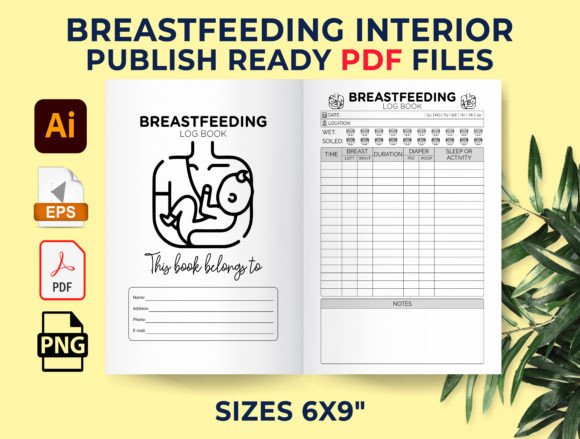
Plenty of apps promise to track baby data, but many parents find themselves drowning in notifications and screen time. The Breastfeeding Log Book offers a clean, offline alternative. With a 6″ x 9″ page-per-day format and 120 pages, it holds roughly four months of daily entries—enough to cover the most intense early period. The no-bleed design means you can use any pen without worrying about ink seeping through, and the high-resolution 300 DPI print quality ensures sharp lines and easy readability, even under dim nursery lighting.
Whether you’re a first-time mom figuring out latch versus bottle, or a seasoned parent juggling a toddler alongside a newborn, having a dedicated space to jot down feed times, diaper counts, and notes about baby’s mood helps you stay grounded. You’ll quickly notice trends: maybe baby cluster feeds in the evening, or sleeps longer after a solid morning nursing session. That insight is gold.
1. The New Mom’s Survival Tool
Sleep deprivation is real. You wake at 3 a.m., nurse for 25 minutes, and by the time you lay baby down, you can’t remember which breast you used last. With a Breastfeeding Log Book, you simply check the current day’s entry. You note the start time, side, duration, and any notes about fussiness or spit-up. Over the next few days, you see a pattern: baby tends to be gassy after afternoon feeds. You adjust your diet accordingly. The log doesn’t judge; it just gives you data to act on.
2. Partner and Caregiver Handoff
When your partner, a grandparent, or a babysitter takes over for a few hours, a written log eliminates guesswork. You hand them the book open to today’s page. They see the last feeding was at 2:30 p.m. on the left breast for 15 minutes, and baby had a wet diaper at 3:10. They know exactly when to offer the next feeding and can note the results. This continuity reduces stress for everyone—especially baby, who thrives on consistency.
3. Pediatrician Appointments Made Easier
Doctors love concrete numbers. At a two-month checkup, the pediatrician asks, “How many wet diapers is baby having in 24 hours? How many feedings?” Without a log, you guess. With the Breastfeeding Log Book, you flip back a few pages and say, “Eight to ten wet diapers, seven feedings averaging 20 minutes each.” That specific information helps the doctor assess hydration, weight gain, and overall health. The extra space at the bottom of each day for notes lets you add observations about jaundice, rashes, or unusual behavior—details you’d forget by the time you reach the exam room.
4. Sleep and Activity Tracking
Breastfeeding logs aren’t just about nursing. This log includes sections for sleep and activities, which is crucial for understanding your baby’s rhythms. You might notice that after a particularly active play session (tummy time, singing), baby sleeps for a longer stretch. Or that every time baby sleeps past three hours during the day, the night gets fragmented. By tracking sleep alongside feedings, you see the whole picture. This is especially helpful for parents considering gentle sleep training or adjusting wake windows.
5. Pumping and Bottle-Feeding Routines
Many breastfeeding mothers pump partially or exclusively. The log’s format works equally well for pumped milk. You record how many ounces you expressed, the time, and whether baby finished the bottle. If you’re building a freezer stash, you can track daily totals. The simple tracking doesn’t overcomplicate things—just a date, volume, and notes about storage. This makes it easy to hand off to a partner who feeds baby expressed milk while you nap or work.
Who Else Benefits from Using This Log Book?
- Entrepreneurs and freelancers who run a home business: When you’re juggling client calls and feedings, the log helps you schedule work blocks around baby’s predictable patterns. You see that baby usually nurses for 30 minutes every two hours between 9 a.m. and noon—so you schedule your deep-focus work during that afternoon nap window.
- Bloggers and content creators in the parenting niche: A physical log can inspire real, data-backed posts about newborn routines, breastfeeding challenges, or sleep regressions. You can share your own tracking method as a practical tip for readers.
- Educators and lactation consultants: Use the log as a teaching tool. Show new parents how to record feedings and identify issues like poor latch or low milk intake. The intro page (included in the print-ready PDF) offers a great place to personalize with baby’s name and birth details.
- Small business owners who create or sell printables: The Breastfeeding Log Book is KDP tested, meaning it’s formatted for Amazon’s print-on-demand platform with no errors. You can use the included PDF, AI, EPS, and PNG files to customize the cover or interior, then sell your own version to new moms looking for a reliable tracker.
- Hobbyists and everyday users who love analog systems: If you already bullet-journal or keep a family planner, this log integrates seamlessly. The 6″ x 9″ size fits in most diaper bags. The unique design separates feedings, diapers, sleep, and activities in an intuitive layout, so you don’t have to invent your own.
When Does a Breastfeeding Log Become Indispensable?
During the first six weeks, everything is a blur. That’s when the log proves its worth most. But parents also find it useful beyond the fourth month, especially during growth spurts, teething episodes, or illness. When baby spikes a fever, you need to know if they’re eating enough and producing wet diapers. The log gives you confidence. When you introduce solids later, you can use the space to record new foods and any reactions.
Another overlooked use case: travel. A busy log from a typical week at home helps you anticipate baby’s needs on a trip. You know that baby tends to nap best in a carrier after a 10 a.m. feed. You plan your sightseeing around that window. Without the log, you’d be guessing—and likely dealing with an overtired infant.
What to Consider Before Buying or Using a Log Book
Not every tracking style works for every parent. Some prefer minimal input—just times and sides. Others want to note diaper consistency, length of naps, and daily highlights. The Breastfeeding Log Book offers a balance. Each page has enough structure to guide you without feeling overwhelming. The intro page lets you list baby’s name, birth weight, and other baseline info. If you’re the type who wants extra blank space for journaling, the note section at the bottom of each page accommodates that.
Also consider the physical format. A paperback log won’t sync to the cloud, but it also won’t run out of battery. If you’re tech-savvy, you can use the book as a primary record and later transfer key data points to an app or spreadsheet for deeper analysis. For parents who co-sleep or breastfeed in bed, a small notebook with a soft cover (and no bleed-through) is easier to handle than a phone.
If you’re a creator preparing to publish your own version, the included high-resolution 300 DPI files ensure a crisp print, and the KDP-tested formatting means less headache during upload. The no-bleed requirement is already handled—your interior will look clean. You can add or delete pages as needed since the source files are editable. This flexibility lets you tailor the log to different audiences: minimalist parents, detailed trackers, or those who want milestone space.
Real Outcomes from Consistent Tracking
Parents who use a Breastfeeding Log Book often report feeling more in control, less anxious, and better prepared for doctor visits. The act of writing solidifies memory and helps you notice things you’d otherwise dismiss. That time baby slept four hours straight? It happened after a particularly fatty feeding. Those three days of greenish poop? They coincided with you eating a lot of spinach. Small correlations add up to big insights.
For small business owners selling this product, the feedback loop is clear: new moms appreciate a tool that doesn’t require a learning curve. They open it, fill in today’s date, and start tracking. The simple tracking format—just the essentials—makes it accessible even to parents running on fumes.
Ultimately, a breastfeeding log is not about perfection. It’s about reclaiming a little bit of mental space. Instead of trying to hold every feeding time and diaper count in your head, you offload that information onto paper. You free up your brain to enjoy the moments that matter—the soft cooing, the tiny fingers, the first real smile. That’s the real gift a tracker can give.