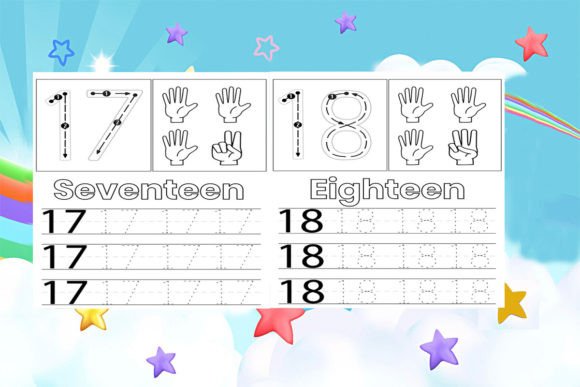
Children Number Tracing Pages: A Complete Guide to Early Math and KDP Publishing Success
Teaching young children how to write numbers is one of those milestones that feels both simple and monumental. A child's first attempt at forming a number 3 or an 8 often results in something that looks more like abstract art than a recognizable digit. That is exactly where well-designed Children Number Tracing Pages come into play. These pages are not just worksheets. They are carefully crafted learning tools that bridge the gap between a child's natural curiosity and their first steps toward numeracy. For educators, parents, and self-publishers on Amazon KDP, understanding what makes these pages effective is essential.
This article explores the qualities, practical benefits, and real-world applications of number tracing pages for numbers 1 through 10. We will look at what goes into a print-ready KDP file, how tracing supports early development, and why this particular niche continues to be a favorite among kindergarten and preschool resources.
Why Number Tracing Pages Matter for Early Childhood Development
Before diving into file formats and publishing specifics, it is worth understanding why tracing pages hold such a valuable place in early education. For a preschooler or kindergartener, holding a pencil correctly and controlling its movement is a complex motor skill. Tracing numbers provides a structured path for that development. When a child traces a number, they are not just learning to recognize its shape. They are building muscle memory, hand-eye coordination, and spatial awareness all at the same time.
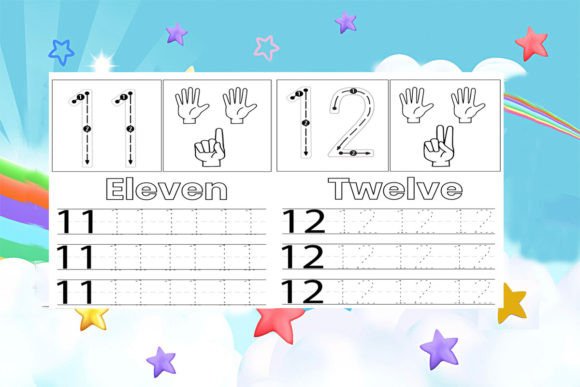
A good set of Children Number Tracing Pages goes beyond simple outlines. The best pages incorporate multiple learning modalities. For example, a page for the number 4 might include the numeral to trace, a visual of four fingers held up, and a simple coloring element like four apples. This combination reinforces the quantity behind the symbol, which is a foundational math concept. Children learn not only how to write the number but also what that number represents in the real world.
Another key factor is repetition. Young learners benefit from repeated exposure in short, engaging bursts. Tracing the same number several times across a single page helps solidify the shape in their memory. When that practice is paired with counting and coloring activities, the learning feels like play rather than drill work.
What to Look for in a Print-Ready KDP Number Tracing File
If you are considering purchasing or creating a number tracing resource for Amazon KDP, there are several important qualities to evaluate. A print-ready file must meet specific technical standards to ensure a smooth publishing experience and a high-quality final product for customers.
Paper Size and Bleed Specifications
One of the most common specifications you will encounter is 8.5 x 11 inch paper with no bleed. This is the standard size for many educational workbooks sold on Amazon. No bleed means the content stays within the safe margins and does not extend to the edge of the page. This is actually a benefit for tracing pages because it keeps the focus centered and avoids any issues with trimming during printing. The user gets clean, consistent margins on every page, which is especially important when a child is working near the edges.
Multiple File Formats for Flexibility
A high-quality KDP resource typically includes more than just one file type. For instance, a comprehensive package might include:
- 1 PDF file – This is the primary file format for uploading to KDP. PDFs preserve layout, fonts, and image quality, making them the industry standard for print-ready books.
- 2 PNG files – PNG images are useful for previews on Amazon product pages, for social media marketing, or for use in digital learning environments. They allow potential buyers to see exactly what the interior looks like.
- 1 AI file (Adobe Illustrator) – This is an editable vector file. Having the AI file allows advanced users to customize the pages, change colors, adjust numbers, or translate text. It is a powerful bonus for those who want to tweak the resource for their own classroom or create derivative works.
This combination of file types ensures that the product is versatile. Whether the buyer wants to print immediately, edit later, or use the images for promotion, they have the right format available.
What Children Actually Learn from These Pages
The best tracing pages do not just teach handwriting. They integrate multiple early learning objectives into a single activity. Let us break down what a child typically gains from a well-made number tracing page for numbers 1 through 10.
Tracing Numbers. This is the core activity. The child follows dotted or dashed lines to form each numeral. The lines should be clear, appropriately thick for a young child's pencil, and include starting point indicators. Some pages use arrows or numbers to show the stroke order, which is extremely helpful for forming habits that lead to legible handwriting later on.
Counting Numbers with Fingers. A child's fingers are their first and most accessible counting tool. When a tracing page includes a hand graphic showing the corresponding number of fingers, it creates a direct visual and kinesthetic link. For example, the number 5 page shows a hand with all five fingers extended. The child traces the number 5, counts their own fingers, and sees the visual representation simultaneously. This multi-sensory approach strengthens number sense far more effectively than tracing alone.
Coloring the Numbers. Coloring is not just a fun break between tracing activities. It reinforces the shape of the number and allows for creative expression. When a child colors inside the lines of a large numeral, they are practicing fine motor control and focus. It also gives the page a second life as an art project, which increases engagement. A child who colors their numbers is more likely to remember them because they have invested personal effort and creativity into the page.
Practical Benefits for Parents, Teachers, and Self-Publishers
The demand for effective early learning materials has grown steadily, and the KDP marketplace has made it possible for independent creators to reach a global audience. Here is how a well-designed set of Children Number Tracing Pages fits into modern workflows and lifestyles.
For Parents and Homeschool Educators
Parents often look for resources that are easy to use without extensive preparation. A print-ready PDF file means they can simply download, print, and hand the page to their child. No special software, no complicated instructions. The inclusion of PNG files also means they can use the pages on a tablet or iPad with a stylus if they prefer a paperless option. The AI file is a bonus for tech-savvy parents who want to adjust difficulty or add their own elements.
The structured progression from 1 to 10 is also a major advantage. Young children thrive on routine and predictability. Working through numbers in order gives them a sense of accomplishment as they move from one page to the next. Parents can easily track progress and celebrate each completed number.
For Kindergarten and Preschool Teachers
Teachers need resources that are classroom-ready and reproducible. A no-bleed, 8.5 x 11 inch format is ideal for photocopying or printing in bulk. The variety of activities on each page—tracing, counting with fingers, and coloring—means that a single worksheet can occupy a child for a meaningful amount of time while addressing multiple learning standards.
Teachers also appreciate consistency across pages. If every page in the set follows the same layout and design, children know what to expect, and less time is spent explaining instructions. The editable AI file is particularly valuable here. A teacher might want to enlarge the numbers for younger students or add a second set of tracing lines for extra practice. Having access to the source file makes those modifications straightforward.
For KDP Self-Publishers
If you are creating or selling these pages on Amazon KDP, the key selling points are clear. The product is print-ready with no bleed, which minimizes technical issues during upload. The file formats (PDF, PNG, AI) appeal to different segments of the market. The educational value is high, and the content aligns with what parents and teachers actively search for.
In a competitive niche like children's educational books, standing out requires attention to detail. Clear tracing paths, appropriate line thickness, engaging visuals, and a logical progression of numbers are all factors that lead to positive reviews. A well-reviewed product generates more sales through organic visibility on Amazon. Additionally, the inclusion of PNG files makes it easy for buyers to create eye-catching product previews and social media posts, which indirectly helps with marketing.
Factors to Consider Before Choosing or Creating Tracing Pages
Not all number tracing pages are created equal. Whether you are buying for your own child or preparing a book for KDP, there are several factors worth evaluating.
Age Appropriateness. Pages designed for a 3-year-old should look different from those intended for a 5-year-old. The line thickness, the size of the numbers, and the complexity of the accompanying activities should match the developmental stage. For numbers 1 through 10, larger numbers with thicker tracing lines are better for younger children who are just starting to develop pencil control.
Visual Clarity. The page should not be cluttered. Too many elements can overwhelm a young learner. A clean layout with clear separation between the tracing area, the finger counting visual, and the coloring section helps the child focus on one task at a time.
Print Quality. Since this is a print-ready file, the quality of the PDF matters. Lines should be crisp, images should be high resolution, and the design should remain intact when printed on standard home or school printers. No bleed files are easier to print because they do not require special trimming or precise scaling.
Source File Availability. As mentioned earlier, having the AI file is a significant advantage. It allows the end user to customize the resource to their specific needs. For a KDP publisher, offering the AI file as part of the package can be a strong differentiator in a crowded market.
Engagement Factor. The best tracing pages make children want to complete them. Bright but not distracting colors, friendly illustrations, and a sense of progression all contribute to engagement. When a child enjoys the activity, they learn faster and retain more. The combination of tracing, counting with fingers, and coloring naturally keeps the experience varied and interesting.
Observations on the Modern Educational Publishing Landscape
The rise of self-publishing has democratized educational content creation. Today, a teacher with a good idea and basic design skills can produce a resource that reaches thousands of classrooms worldwide. The KDP platform specifically has made it possible for niche products like Children Number Tracing Pages to find their audience without the need for a traditional publisher.
What makes this particular product type so enduring is its simplicity. The need to teach children how to write numbers will never go away. While digital learning tools have their place, there is still massive demand for physical worksheets that children can hold, trace, and color. Parents and teachers appreciate resources that do not require screen time and that provide a tangible record of progress.
Another observation is that the most successful tracing products are those that respect the end user's time. A print-ready file that works immediately, without the buyer needing to adjust margins or troubleshoot formatting issues, is far more likely to receive positive feedback. Similarly, offering multiple file formats shows that the creator understands the varied needs of their audience.
Looking ahead, the trend toward hybrid learning environments means that products which work well both in print and on a screen will continue to be valuable. PNG files, for instance, can be uploaded to learning management systems or used in apps that support annotation. The PDF version serves the traditional print market. A single product that covers both bases is inherently more versatile.
For anyone considering creating or purchasing a number tracing resource, the key takeaway is straightforward: focus on the child's experience. Clear tracing paths, integrated counting activities, and a clean, print-ready format form the foundation of a high-quality product. When those elements are in place, the learning happens naturally, and the value to the end user is undeniable.