Bourbon Tasting Log Book: A Practical Companion for Whiskey Enthusiasts
If you have ever stood in front of a shelf lined with bourbon bottles, trying to recall whether that small-batch rye was smoother than the single barrel you tried last month, you already know why a dedicated tasting journal matters. The Bourbon Tasting Log Book is exactly what it sounds like: a dedicated space to record, rate, and remember every pour you sample. It is not a coffee-table decoration or a generic notebook repurposed for whiskey notes. It is a purpose-built tool for anyone who takes their bourbon seriously, whether you are a casual weekend sipper or someone building a curated collection over years.
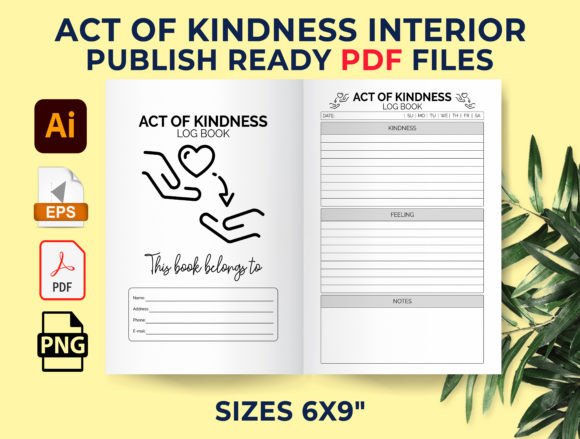
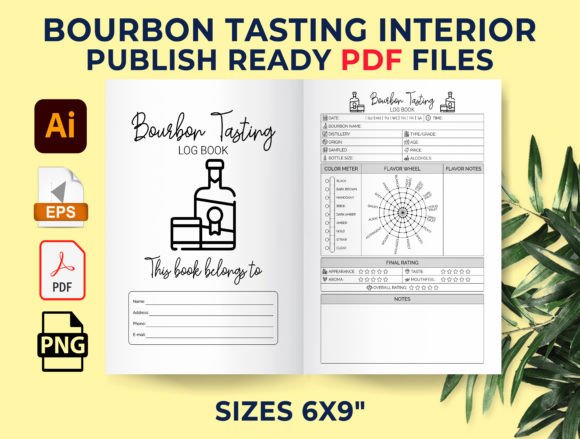
At its core, this log book gives you a per-day format to capture the essentials: the name of the bourbon, the distillery, proof or ABV, your tasting impressions, and a personal rating. With 120 pages packed into a 6-inch by 9-inch paperback, it fits on a bar cart, in a kitchen drawer, or inside a weekend bag. The layout is simple, with space for writing notes and a unique design that does not feel like another generic planner. It is also available in PDF, AI, EPS, and PNG formats, which means you can print it at home, upload it to a tablet, or even use the digital files to create a custom version for a tasting group.
What makes this log book different from scribbling on a napkin or typing a quick note on your phone is the structure. You get a consistent format every time, so comparing two bourbons from different months becomes straightforward. You see your own tasting vocabulary evolve, you notice patterns in what you enjoy, and you stop relying on memory alone. That matters more than most people realize.
Where and When You Might Use a Bourbon Tasting Log Book
The most obvious setting is your own home bar. Picture a Friday evening after a long week. You pour two ounces of a new bourbon a friend recommended. Instead of drinking it absentmindedly while scrolling your phone, you take ten minutes to really taste it. You note the caramel and vanilla on the nose, the slight oakiness, the lingering heat on the finish. You give it a rating. Three months later, when you see that same bottle on sale, you remember exactly why you liked it, and whether it is worth buying a full bottle.
But the log book is just as useful away from home. Bourbon tastings at a friend's house, distillery tours during a weekend trip, or flights at a whiskey bar all present opportunities to try something new. Without a log book, those impressions fade fast. With one, you build a personal reference library of flavors, distilleries, and proof preferences over time.
Another scenario is the structured tasting session. Some people host monthly bourbon nights with a small group. Each person brings a bottle, and everyone tastes blind. The log book gives each participant a way to record their honest impressions before anyone reveals what is in the glass. That data becomes the basis for discussion, comparison, and sometimes friendly debate. It turns a social gathering into something more engaging and educational.
Who Benefits Most from This Journal
New bourbon drinkers often feel overwhelmed by the sheer variety of bottles and flavor profiles. A log book helps them slow down and pay attention. Instead of drinking blindly, they start noticing what they actually like. Over time, that simple habit builds genuine tasting knowledge faster than watching dozens of review videos.
Experienced collectors and hobbyists gain something different: a permanent record of their collection's evolution. When you own twenty, thirty, or more bottles, you cannot remember every detail about each one. The log book becomes a catalog of your personal history with bourbon. You can look back at entries from two years ago and see how your palate changed. You can also track which batches or years you preferred, which is especially useful if you trade bottles with other collectors.
Small business owners and entrepreneurs who operate whiskey bars, tasting rooms, or bottle shops can use this log book as a training tool for staff. A simple per-day format that includes space for notes, proof, and rating helps employees build their own knowledge. When they can speak confidently about the flavor notes of different bourbons, the customer experience improves. It also gives the owner a consistent way to evaluate new products before adding them to the shelf.
Freelancers, bloggers, and content creators who write or make videos about whiskey will find the log book invaluable for research. Instead of juggling multiple notes across different apps and scraps of paper, you have everything in one place. When you are writing a blog post comparing four rye whiskeys or recording a video about budget-friendly bottles, you can pull your tasting notes directly from the journal. That saves time and makes your content more accurate.
Practical Examples of Using the Bourbon Tasting Log Book in Real Life
Let me describe a few realistic situations to show how the log book fits into ordinary routines.
Scenario One: The Weekend Tasting
You pick up three new bottles from a local distillery. Instead of opening all three at once, you taste one on Saturday and another on Sunday. For each, you fill out a page: the distillery name, the mash bill if you know it, the proof, and your initial impressions. You write that the first one smells like brown sugar and dried cherries, while the second has more rye spice and a drier finish. You rate them both. A month later, a friend asks which one you would recommend. You flip open the book and give a confident answer based on your own notes, not a vague feeling.
Scenario Two: A Distillery Tour
You visit Kentucky for a long weekend. Over three days, you tour four distilleries. Each tasting flight includes three to four samples. Without a journal, those samples blur together by Sunday afternoon. With the log book, you record each pour immediately after tasting. You note details like the rickhouse location or the barrel entry proof when the guide shares them. Months later, you can still recall which distillery's standard offering surprised you the most, and which limited release was worth the splurge.
Scenario Three: Building a Home Bar
You are slowly building a collection of bourbons for home entertaining. Every time you try a new bottle, you log it. Over six months, you notice that you consistently rate wheated bourbons higher than high-rye recipes. That observation guides your future purchases. Instead of buying random bottles, you focus on what you already know you like. Your collection becomes more intentional, and your guests benefit from better selections.
What to Consider Before Choosing or Using This Log Book
The Bourbon Tasting Log Book works best when you pair it with a simple routine. You do not need to write a full paragraph for every entry. A few lines about the nose, taste, and finish, plus a rating, is enough. The consistency of the per-day format helps, but only if you actually use it. Keep the book somewhere visible, maybe on the counter near your bottles, so you remember to grab it when you pour something new.
Consider how you plan to use the digital files. The package includes PDF, AI, EPS, and PNG formats, all with no bleed, a high-quality print-ready structure, and 300 DPI resolution for crisp output. If you want to print copies for a tasting group or create a branded version for your business, those files give you full control. You can edit the design in Adobe Illustrator or a similar program, adjust the layout, or add your own logo. For personal use, printing a single copy on standard paper and putting it in a binder works fine. The important thing is that the format is flexible enough to fit your workflow.
Another consideration is the page count. At 120 pages, this log book will last a while, but not forever. If you taste frequently, you might fill it in six months to a year. That is actually a good thing. A completed journal becomes a record of your tasting journey. You can look back through old entries and see how your preferences evolved. When you finish one, start another. Over time, you build a multivolume collection of your personal whiskey history.
For those who prefer a digital approach, the PNG and PDF files work well with note-taking apps like GoodNotes, Notability, or OneNote. You can import the pages into a notebook and write with a stylus. That way, you get the same structured format without carrying a physical book. Some users do a hybrid approach: they fill in notes on their tablet during a tasting and later transfer favorite entries to the physical journal. Use whatever method keeps you consistent.
Why a Dedicated Journal Matters More Than a Generic Notebook
A plain notebook works in a pinch, but it lacks the intentional structure of a dedicated tasting log. With a generic notebook, each entry ends up with a different format. Some pages include the proof, others do not. Some entries list the date, others skip it. Over time, comparing entries becomes frustrating. The Bourbon Tasting Log Book eliminates that problem by giving you the same fields every time. You do not have to decide what to write down; you just fill in the blanks. That consistency makes your notes actually useful months or years later.
The unique design of this journal also matters on a practical level. It does not look like a school notebook or a boring corporate planner. It feels like something a bourbon enthusiast would carry. That might seem like a small thing, but it encourages use. When a tool looks and feels right for its purpose, you reach for it more often.
For anyone who gives bottles as gifts, this log book makes a natural pairing. A bottle of bourbon and a tasting journal together show that you understand the recipient's interest. It is a gift that keeps giving, because every new pour becomes an entry in a personal archive. The same applies to business gifts for clients or partners who appreciate whiskey. A branded version of the log book, customized with your company logo using the AI or EPS files, adds a thoughtful touch that generic promotional items lack.
Connecting Features to Real Outcomes
The 6-by-9-inch size is not just a random dimension. It fits comfortably in one hand while you hold a tasting glass in the other. It slides into a bag without taking up too much space. The 120 pages give you enough room for roughly 100 to 110 entries, depending on how much you write per page. The high-resolution 300 DPI print quality means that text remains sharp, even if you print at home on standard office paper. The no-bleed format simplifies printing and trimming.
The per-day format with simple tracking means you spend less time organizing and more time tasting. You do not need to design your own layout or remember what details to record. The space for writing notes lets you capture the subjective impressions that numbers alone cannot convey. Over time, those notes become the most valuable part of the journal. They tell the story of your palate's development.
The KDP tested no error assurance is relevant for anyone who wants to publish or sell copies through Amazon. The files are ready to upload without formatting surprises. That opens the door for small publishers, educators, or entrepreneurs who want to create their own version of this log book for a specific audience, such as a whiskey club, a corporate gift program, or a retail product.
Final Thoughts on Making the Most of a Bourbon Tasting Log Book
The Bourbon Tasting Log Book works because it removes friction from the act of keeping notes. You do not need to invent a system, remember what to write, or hunt for a clean page. It is ready when you are. Whether you are tasting alone after work, hosting friends for a blind flight, or visiting distilleries on vacation, this journal gives your bourbon journey a permanent home.
The best time to start using a tasting log is before you forget the details of the pour in front of you. The next best time is today. Grab a bottle, open the journal, and write down what you notice. Even a few lines will be more useful than trying to recall the same experience a month from now. Over the course of a year, those small entries add up to a rich, personal record that no review site or online database can replicate. Your palate, your preferences, your collection. That is what this log book is built for.